



Home › Industries › Manufacturing › AI-powered Precision for the Future of Manufacturing › 99% Faster, Smarter Product Taxonomy with AI
The client
Our client is a global leader in the design and manufacturing of engineering products, specifically in the irrigation sector, aiming to enhance its e-commerce business.
Market trends in manufacturing product engineering
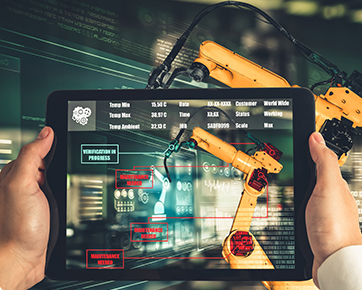 The product engineering industry is witnessing a significant transformation driven by AI-powered automation, digital integration, and data-driven decision-making. Organizations are increasingly leveraging generative AI and intelligent automation to streamline complex processes such as product classification, taxonomy creation, and attribute mapping to drive a robust digital transformation in manufacturing. This shift is reducing manual intervention and improving efficiency across industries, especially in sectors dealing with extensive product catalogs.
Another key trend is the adoption of cloud-based product lifecycle management (PLM) systems, enabling seamless collaboration across global teams. These systems integrate advanced data analytics, IoT, and AI-driven insights to enhance product design, accelerate time-to-market, and optimize lifecycle management. The demand for real-time decision-making has also driven the adoption of edge computing and IoT, allowing manufacturers to process data faster and improve predictive maintenance strategies.
As companies focus on e-commerce-driven growth, there is an increasing need for intelligent product discovery through AI-powered taxonomy solutions. Automated classification and hierarchical structuring enable businesses to provide a seamless buying experience, improving product visibility and customer engagement. Sustainability has also emerged as a key driver, with organizations prioritizing eco-friendly materials and circular product design to reduce environmental impact.
With the rise of multi-region, multilingual deployments, businesses are looking for scalable solutions that can adapt to different geographies and regulatory frameworks. The integration of AI-driven self-learning models ensures continuous improvement, making product engineering more agile, cost-efficient, and responsive to market demands.

Complex product data

Hierarchical complexity

Manual effort and high resource utilization

Multilingual and multi-region challenges

Poor customer experience
Without an automated solution, these challenges hindered efficiency, delayed product discovery, and impacted the overall e-commerce experience.
LTIMindtree’s solution
To overcome the client’s challenges, LTIMindtree implemented an AI-driven product taxonomy solution powered by its Insight NxT platform for implementing a much-needed digital transformation in manufacturing. This solution leveraged generative AI in supply chain optimization, computer vision, and statistical clustering to automate taxonomy creation, eliminating the need for manual intervention and significantly reducing turnaround time.
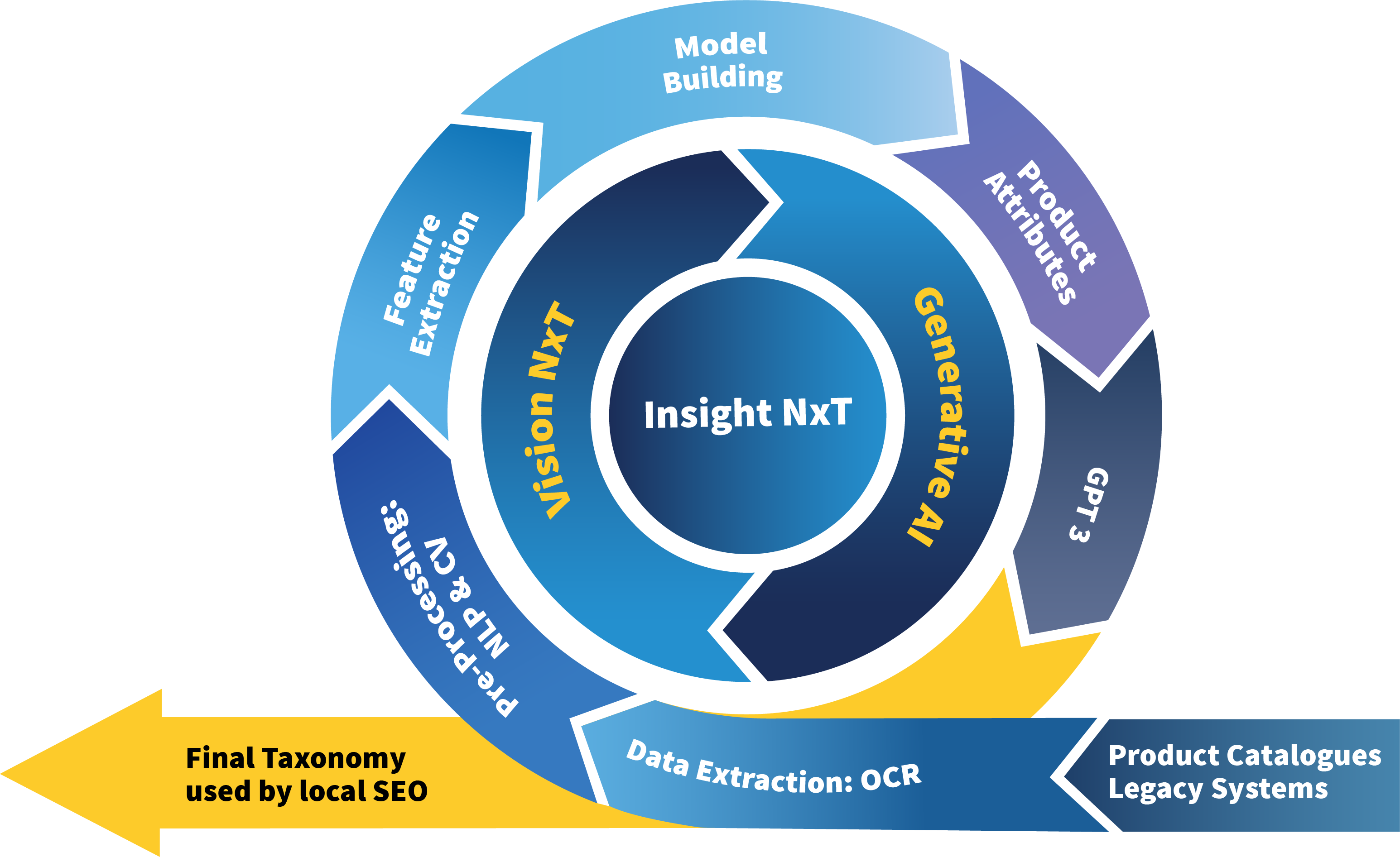
Figure 1: Transformation of e-commerce product taxonomy using AI
- AI-powered taxonomy creation: The system automatically analyzed product data, identified relevant attributes, and assigned appropriate categories, tags, and hierarchies. This reduced human effort while ensuring consistent and intelligent classification.
- Dynamic taxonomy remodeling: As new products, regions, and business conditions evolved, the AI engine continuously adapted the taxonomy structure, ensuring that product classifications remained relevant, optimized, and up to date.
- Omnichannel hierarchy mapping: The solution seamlessly integrated product taxonomy with supply chain structures, allowing for uniform classification across multiple e-commerce platforms, distributor networks, and regional markets.
- Enterprise integration: LTIMindtree’s AI engine synchronized with existing systems to unify scattered product data, breaking down legacy silos and providing a single source of truth.
- Multilingual and multi-region adaptability: The AI engine intelligently adjusted taxonomy structures based on regional classifications, language preferences, and compliance needs, enabling smooth multi-region deployment.
- Automated decision-making: The system used statistical clustering and AI models to intelligently categorize SKUs, reducing misclassification and improving product discoverability.
Tech stack
| LTIMindtree’s Insight NxT platform |
| Generative AI |
| Computer vision (CV) |
| Natural language processing (NLP) |
| Optical character recognition (OCR) |
| GPT-3 |
| Statistical clustering |
Business Benefits
- 99% time reduction in product taxonomy creation.
- Data extraction time reduced from 60 hours to 6 minutes per catalog.
- Automated mapping reduced resource utilization by 80%.
- Enhanced customer experience, leading to better sales conversion and reduced bounce rate.

Expedited employees research
The various bots such as chat bot, HR, Policy, etc. accelerated research and development by automating tasks, analyzing data, generating new ideas and enhancing collaboration. This ultimately increased the overall productivity and efficiency through various automations and process optimizations.

Streamlined design review processes
- Reduction in cycle time for job approval from 12 days to < 1 day.
- Cost reduction from $250 to $25 (potential savings of $90,000 per year).

Automated expense reviews
Automated the reviews and categorization of $7000 expenses per month.

Reduced calls to the service desk
Reduction in user calls to the service desk team led to a significant reduction in labor cost. The bot handled an increased volume of transactions by crawling 1400 articles.

Accelerated legal processes
Reduced the time taken to identify relevant policies to build a strong case from 4 hours to < 1 hour.

Greater productivity for marketing
Increased productivity by reducing the time taken to identify target audience and draft personalized campaign emails.

Faster resolution for outages
Better availability of live outage data to take further actions and reduce the overall resolution time

Improved scalability for procurement
Increased the volume of audited purchase orders from 30 per month to 1250 per month.

Massive cost savings for the rates and regulatory team
- Better information, use of past decisions and awareness of past arguments are estimated to cost recovery of $0.75 to $2 million per year.
- Automatic generation of word document template saved approximately 125 hours/year (2500 data requests with an average of 3 minutes per template).

Talent acquisition savings
~$200,000 saved annually by reducing the candidate hiring process to 3 days.Conclusion
By leveraging LTIMindtree’s AI-driven product taxonomy solution for digital transformation in the manufacturing industry, the client transformed its e-commerce business, achieving faster product classification, cost reduction, and higher sales conversions. The Insight NxT-powered approach ensured an automated, scalable, and future-ready solution for intelligent product taxonomy by using AI in supply chain optimization. Thus, leveraging AI is crucial for manufacturing firms to streamline and enhance their workflows, future-proofing their operations for sustainable success.
Looking for an AI-driven solution to accelerate and optimize your product taxonomy?
Reach out to us at mfg.communications@ltimindtree.com
